
Why There's No One Best Organization System for Students
A look at why one size fits all organization systems miss the mark, and what to check first before choosing a binder, folder, or planner for a student with EF challenges.
Why Students Don't Use Planners: Executive Function & Planning
Why do some students struggle to use planners? Learn how executive function, planning skills, developmental time horizons, and the ability to anticipate the future affect planner use in teens and college students.

The group getting left out: What the ‘Writing vs Typing’ research actually found
What does research actually say about handwriting vs. typing for dyslexia, dysgraphia, ADHD, working memory, and processing speed? An executive function perspective for educators, tutors, therapists, counselors, and coaches.

Technology in the Classroom - Here is why the research matters
Research matters. Not just the surface story. Read more to learn about technology in the classroom, and why that research is important.
The Executive Function Skills We Expect Students to Already Know
Join as us we explore The Executive Function Interpretive Coaching framework. And register for our Mastering Executive Function course that begins August 10!
Executive Function Coaching: What Detective Work Looks Like With a Stuck Student
Join as us we explore The Executive Function Interpretive Coaching framework. And register for our Mastering Executive Function course that begins August 10!
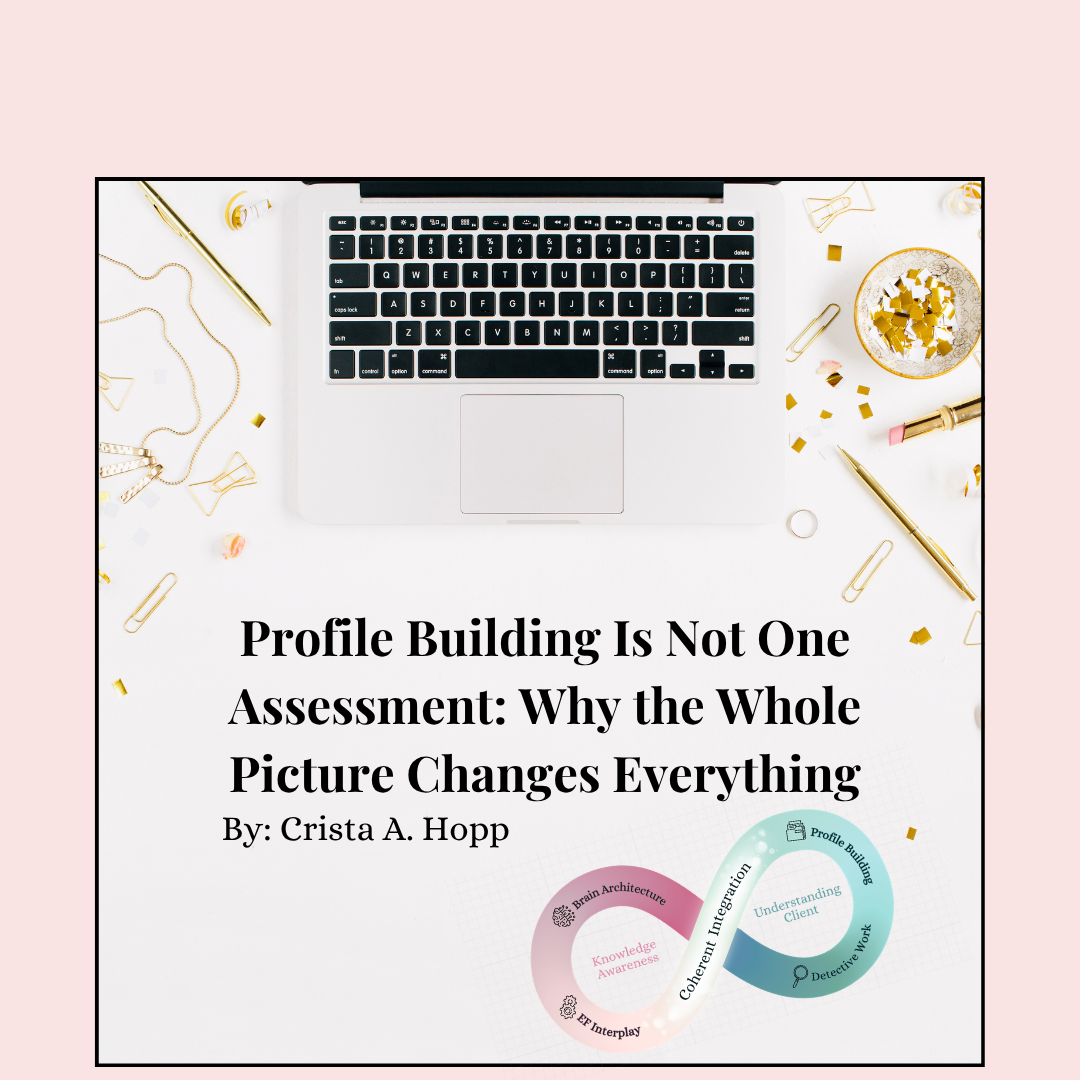
Profile Building Is Not One Assessment: Why the Whole Picture Changes Everything
In this post we follow one student across multiple years of coaching and explore what happens when you gather the whole picture. Assessment data, parent observations, coaching observations, and the student's own perception. All of it together tells the real story.
The EF Interplay Across Years: How Foundational Executive Functions Build the Foundation for Everything Else
In this post we follow one student across multiple years of coaching and see exactly how foundational executive functions have to be solid before advanced ones can reliably work. This is the EF Interplay in real time and what it means for every unique brain you support.
Why Brain Architecture Is the Foundation That Changes Everything
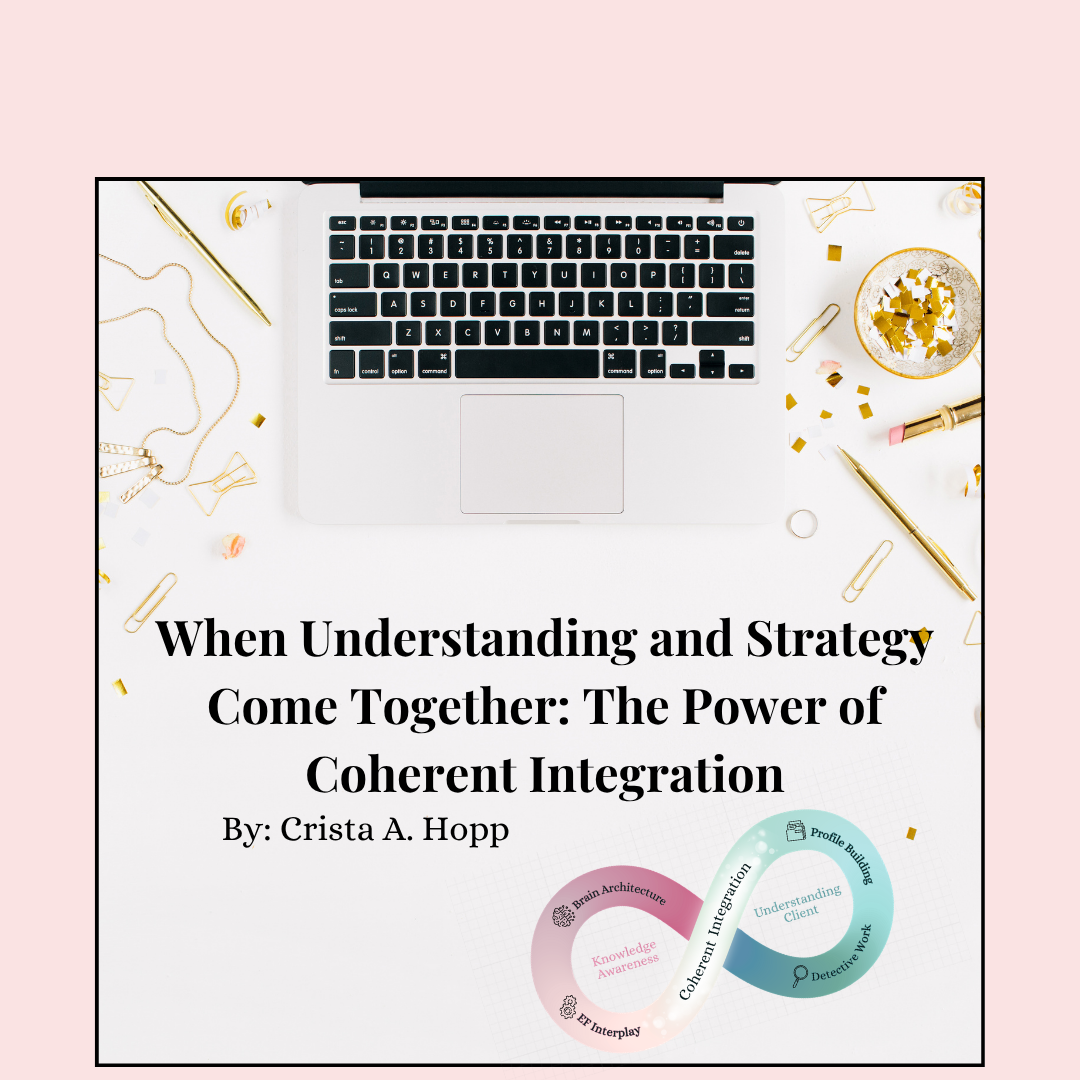
Have you ever watched someone introduce a strategy for one of your students and already known it was not going to work? Not because the approach was wrong, but because it was built for a different brain. That is what happens when we skip Brain Architecture — the foundation of the Executive Function Interpretive Coaching Framework. In this post, I walk through a real student story that shows exactly what it costs when we reach for a strategy before we truly understand the brain in front of us, and what becomes possible when we start where we should have started all along.
What Happens When a Student Finally Understands Their Own Brain: A Story About the EF Interplay Over Time
A relationship with your own brain that goes with you everywhere.

When Perfectionism Is Not the Whole Story: Understanding the EF Interplay
In this post we follow one student across three moments that all looked like perfectionism and discover what the EF interplay was actually driving underneath the surface — and why understanding the why changes everything about how we respond.
When done doesn't mean done: Understanding perceived completion and executive function
A real coaching story unpacked through an EF lens — exploring what happens when the brain experiences completion before it has arrived, and what that tells us about the unique brain we are working with.
What Changed My Thinking About Motivation
Discover how understanding brain architecture changed the way Crista Hopp approaches motivation, executive function, and coaching. Learn why meaning plays a critical role in activation and task initiation.
Understanding Brain Architecture, Motivation, and Depression in Executive Function Coaching
What happens when a student knows exactly what they need to do but still cannot move forward? In this article, Crista Hopp explores the connection between depression, motivation, executive functioning, and brain architecture, while also reflecting on the emotional impact coaching can have on professionals supporting struggling students.
Mental Health vs Mental Illness… and why this matters right now
A post from a psychiatrist stopped me mid-scroll this week. We have been softening our language around mental health, and while the intention is good, it may be costing our students the clarity they actually need. Here is what I have been thinking about since.
When Mental Health is Compromised
She showed up. She was pleasant. But nothing was moving. This is the story of what I finally had to acknowledge, what the neuroscience actually explains, and what every coach needs to understand about the difference between a skill gap and a brain in survival mode.