The Executive Function Skills We Expect Students to Already Know
School is starting, and this cartoon has been on my mind.
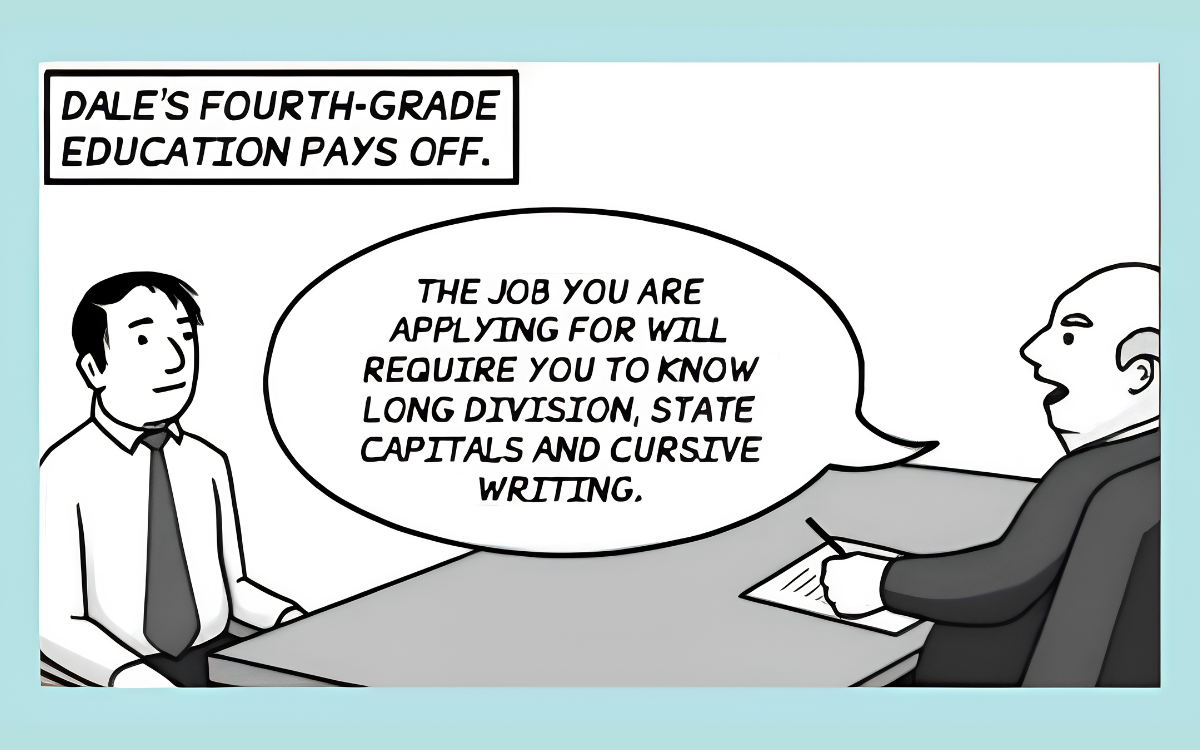
It makes me laugh, but it also captures something we do to students all the time.
A middle or high school student may walk into school this year with eight or nine different teachers.
One teacher wants a three-ring binder with dividers. Another wants a composition notebook. One puts everything in Google Classroom. Another expects assignments written in a planner. One wants papers in a specific folder. Another has an entirely different system.
Each teacher explains their system.
And then we expect the student to somehow know how to manage all of those systems together.
When papers start disappearing, assignments are forgotten, or the wrong materials make it to class, we tend to say:
“They need to be more organized.”
But organization doesn't work in isolation.
That student has to remember what each teacher expects. Shift between eight different systems throughout the day. Initiate the right routine at the right time. Plan ahead for what they'll need. Manage physical and digital materials. And notice when something isn't working so they can adjust.
That's working memory. Cognitive flexibility. Task initiation. Planning. Organization. And metacognition working together.
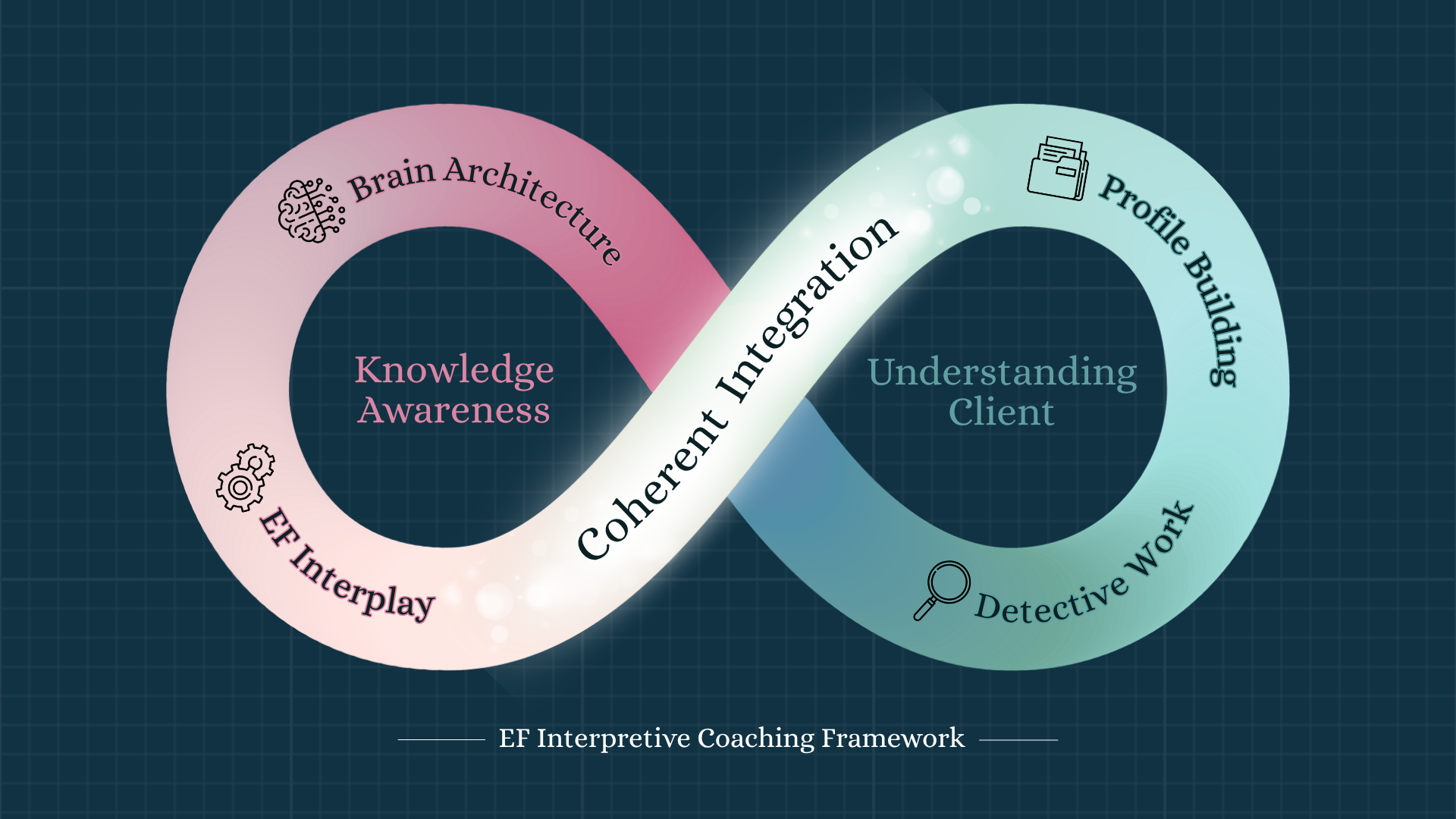
This is EF interplay.
And it is one of the reasons I don't believe we can look at an executive function challenge in isolation.
We are asking students to use increasingly complex executive function skills as they move through school, often without ever explicitly teaching them how to manage those demands.
So before school gets into full swing, here's something I'd encourage you to ask:
“Walk me through how each of your teachers expects you to keep track of your work.”
And then listen.
Don't organize it for them yet. Don't suggest another planner yet. Don't decide what the problem is yet.
First, understand what their brain is actually being asked to manage.
Understanding before you intervene.